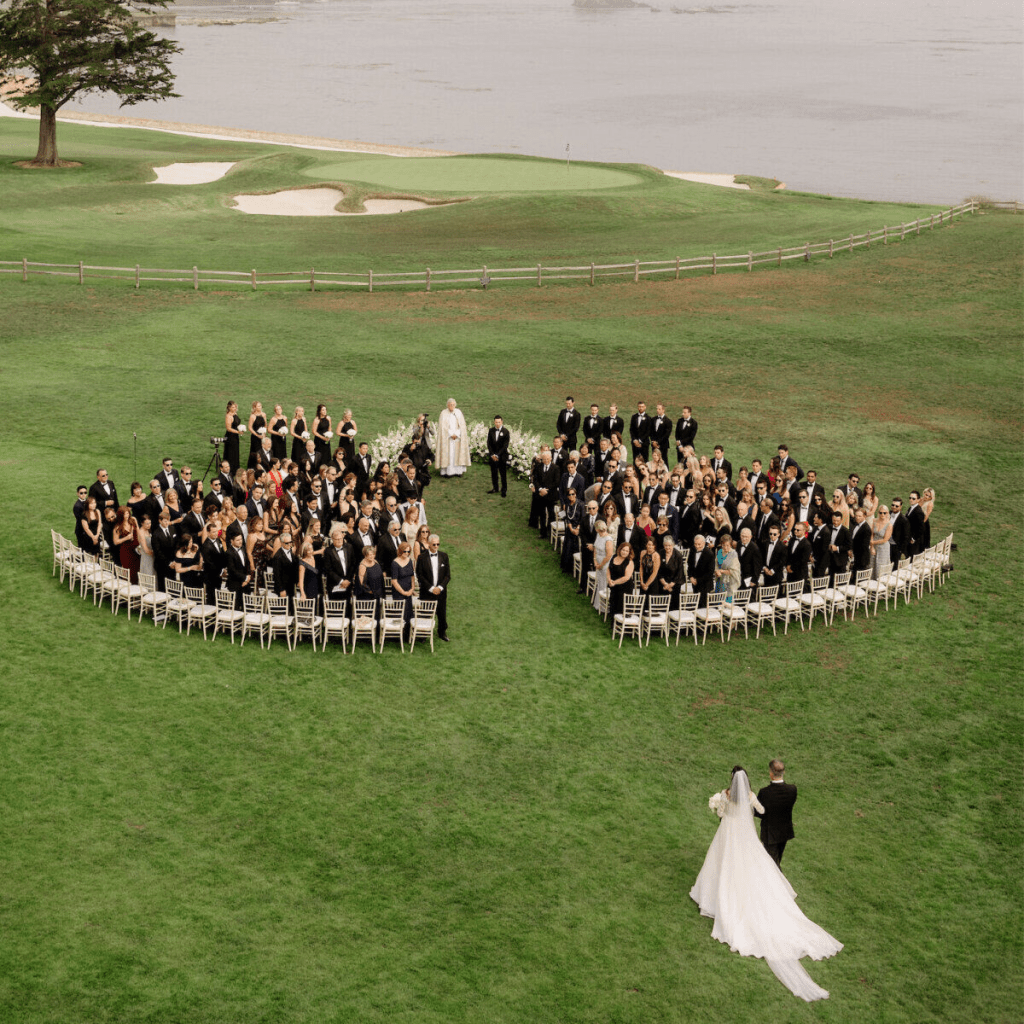
Your wedding photography is one of the most important investments you’ll make for your special day. These photos capture memories that will Read this article last a lifetime, so it’s essential that they reflect your unique style, personality, and vision. But how do you make sure your photographer understands exactly what you want? Clear communication is the key to translating your ideas into beautiful images.
In this article, we’ll explore effective ways to communicate your vision to your photographer, ensuring you get photos that perfectly tell your wedding story.
- Start with Research and Inspiration
Before you even meet your photographer, it’s helpful to gather examples of styles and photos you love.
Create a Mood Board: Use Pinterest, Instagram, or magazines to collect images that resonate with your vision. These can include lighting styles, poses, color schemes, and candid moments.
Identify Your Style: Are you drawn to traditional, candid, editorial, fine art, or documentary photography? Knowing your preferred style helps set clear expectations.
Share Your Inspiration: Send your mood board or favorite images to your photographer ahead of time. Visual aids are a powerful way to communicate your aesthetic preferences.
- Schedule a Detailed Consultation
A face-to-face or virtual meeting is essential for a meaningful exchange of ideas.
Discuss Your Story: Tell your photographer about your relationship, your personalities, and what makes your wedding unique.
Talk About the Wedding Day: Share details about the venue, timeline, special events, and any surprises planned.
Be Honest About Preferences: Let your photographer know if there are poses or styles you dislike or if you want to avoid overly staged photos.
- Create a Shot List
A shot list is a helpful tool to ensure important moments and people aren’t missed.
Must-Have Shots: List key moments like the first look, ceremony highlights, family portraits, and special dances.
Group Photos: Specify family combinations and important guests.
Candid Moments: Include moments you want captured naturally, like laughter, tears, or dancing.
Be Realistic: While a shot list is useful, allow room for spontaneity and creativity.
- Discuss Timeline and Logistics
A well-planned schedule helps your photographer prepare and ensures smoother photo sessions.
Share Your Wedding Day Timeline: This helps the photographer allocate time for portraits, group shots, and candid moments.
Venue Details: Inform them about lighting conditions, outdoor vs. indoor settings, and any restrictions.
Special Circumstances: Let the photographer know about accessibility issues, large families, or any unique setups.
- Express Your Personality and Comfort Level
Your photographer’s approach should complement your personality.
Are You Camera-Shy or Natural in Front of the Lens? Share your comfort level to help the photographer tailor their style.
Preferred Interaction Style: Some couples want lots of direction, while others prefer a more documentary style.
Special Requests: If you want lots of candid shots or more posed portraits, be clear.
- Clarify Post-Production Preferences
Editing style can dramatically influence the final look of your photos.
Discuss Color Tones: Do you prefer vibrant colors, soft pastels, black and white, or vintage filters?
Retouching Expectations: Clarify how much editing you want, such as skin retouching or removal of distractions.
Ask for Examples: Review edited photos from the photographer’s portfolio to ensure their style matches your vision.
- Keep an Open Dialogue
Effective communication doesn’t end after the initial meetings.
Regular Check-Ins: Stay in touch with your photographer in the weeks leading up to the wedding.
Update Them on Changes: Inform them about any changes in schedule, venue, or special plans.
Ask Questions: Don’t hesitate to ask about their recommendations or clarify any concerns.
- Trust Your Photographer’s Expertise
While your vision is paramount, your photographer is a professional with valuable insights.
Be Open to Suggestions: Photographers know what works best in different lighting and settings.
Allow Creativity: Some of the best photos come from spontaneous moments and creative direction.
Balance Control and Flexibility: Collaborate with your photographer to blend your ideas with their expertise.
- Review and Confirm the Contract
Your contract should clearly outline the agreed-upon services and expectations.
Scope of Work: Confirm coverage hours, number of photographers, and deliverables.
Rights and Usage: Understand how you can use your photos and whether the photographer can use them for promotion.
Cancellation and Contingency Plans: Ensure you’re covered if plans change.
- Prepare for the Wedding Day
Finally, help your photographer capture your vision by preparing on the day itself.
Designate a Point Person: Assign a trusted friend or family member to help organize group shots and communicate with the photographer.
Stay Relaxed: A calm and joyful demeanor translates beautifully in photos.
Enjoy the Moment: The best photos come from genuine happiness and connection.
Final Thoughts
Communicating your vision clearly with your photographer is essential to capturing wedding photos that tell your unique story beautifully. By preparing thoughtfully, sharing your style and preferences, and trusting your photographer’s expertise, you’ll create a collaborative partnership that results in stunning, heartfelt images.
Remember, your wedding photography is not just about pictures—it’s about preserving the emotions, connections, and memories that make your day unforgettable. Open communication sets the foundation for photos you’ll treasure forever.
 Site Title
Leave a comment